
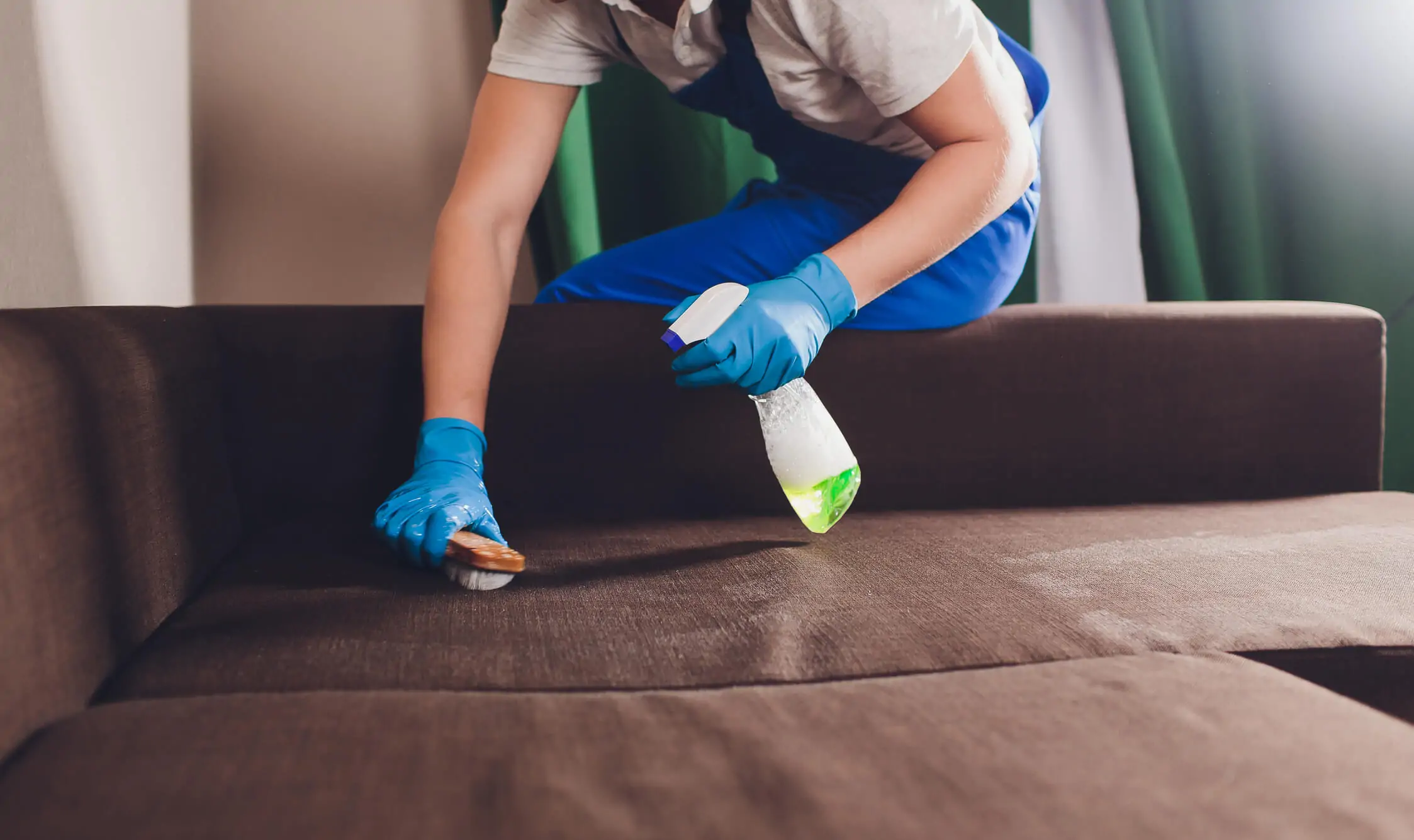
Upholstered furniture brings warmth, comfort, and style to any living space. Upholstery, whether it’s a delicate dining chair, a plush armchair, or a sofa made of soft fabric, greatly influences the style and comfort of your house. However, over time, daily use exposes fabric to stains, spills, and gradual wear. This is where Ultra-Guard Fabric Protection becomes essential. Fabric protection treatment acts as a shield that repels liquids, resists stains, and prolongs the life of your upholstery. If you are unsure whether your furniture needs it, there are clear indicators that can help you decide.
1. Frequent Spills And Stains
If you often find yourself cleaning up spills, it is a strong sign that your upholstery could benefit from fabric protection. Families with children or pets especially deal with frequent accidents like juice spills, muddy paws, or food stains. Even careful adults can occasionally spill coffee or wine. Without protection, these liquids quickly penetrate the fabric and leave lasting marks. A good fabric protector creates a barrier that causes spills to bead up on the surface instead of soaking in. This allows you to easily blot away the mess before it becomes permanent. Having this layer of defense can save you from expensive cleaning sessions and maintain the fresh look of your furniture for much longer.
2. Fading And Fabric Discoloration
Another common sign that your upholstery needs protection is visible fading or color loss. Sunlight, heat, and even artificial lighting can cause colors to dull over time. Fabrics placed near windows or bright areas are particularly vulnerable. Besides sunlight, everyday wear and cleaning solutions can strip away dye, making fabrics appear patchy or uneven. Fabric protection treatments often include UV blockers that help reduce fading caused by sunlight. By preventing discoloration, these treatments preserve the richness and vibrancy of your upholstery. If your once bright sofa now looks washed out, it is time to consider fabric protection before further damage occurs.
3. Persistent Odors Or Trapped Dirt
Over time, fabric absorbs odors from pets, food, smoke, and humidity. Even with regular vacuuming, upholstery can hold onto unwanted smells and fine particles that sink deep into the fibers. When your furniture starts to smell musty or stale, it is a signal that dirt and contaminants have built up within the fabric layers. A fabric protection treatment helps create a smooth surface that prevents grime and debris from embedding deeply. This makes regular cleaning more effective and helps maintain a fresher environment. Furthermore, because coated cloth doesn’t absorb moisture, mold and bacteria that can leave odors behind are prevented from growing.
4. Noticeable Wear And Rough Texture
If your furniture feels rougher or looks worn despite proper care, it may be losing its original finish. Fabric fibers gradually weaken with use, friction, and exposure to dirt. This leads to thinning, fraying, and visible wear patterns on seats, armrests, and cushions. Fabric protection helps strengthen fibers by adding an invisible layer that reduces friction and prevents premature deterioration. It also helps maintain the soft texture and smooth appearance of the material. Protecting your upholstery early can prevent irreversible damage, extending both its comfort and beauty.
5. Difficulty Cleaning Everyday Messes
When you start noticing that routine cleaning no longer works as well as it used to, it may be time for fabric protection. Over time, unprotected fabric becomes more porous, allowing spills and dust to cling tightly to the fibers. Even small spots can become stubborn and require repeated scrubbing, which further weakens the material. Fabric protection treatments simplify cleaning by preventing substances from bonding with the fabric. This makes it easier to wipe away spills, pet hair, or crumbs without effort. If your furniture seems harder to keep clean, a protective coating can restore its easy-care convenience and help it stay fresh longer.
The Importance Of Regular Fabric Protection
Fabric protection is not only about preventing stains but also about maintaining hygiene and longevity. Upholstery fabrics are made of absorbent materials like cotton, linen, or microfiber that can easily trap liquids and particles. Over time, this accumulation causes odor, discoloration, and even damage to the furniture frame underneath. A quality protector repels moisture and prevents dirt from settling into the fibers. This makes routine vacuuming more effective and helps you keep your furniture in pristine condition.
Regular reapplication is equally important. Depending on usage, environment, and cleaning frequency, protection can wear off within a year or two. High traffic areas like living rooms or dining spaces may need treatment more often. By staying consistent with maintenance, you not only enhance the fabric’s appearance but also safeguard your investment.
Conclusion
Your upholstery is an essential part of your home’s comfort and style. Recognizing the signs that it needs fabric protection is key to preserving its value and beauty. Frequent spills, fading, odors, roughness, and short-lived cleaning results all point to the need for treatment. Applying a quality fabric protector not only shields against everyday accidents but also ensures your furniture remains fresh, soft, and visually appealing for years to come. Investing in fabric protection today means you can enjoy a cleaner, more comfortable, and longer-lasting living space tomorrow.